

The Science Behind Flotation: Understanding the Influencing Factors!
招远市金凤黄金选矿设备制造有限公司
Flotation is the process of separating minerals from ore by attaching them to bubbles. It is the cornerstone of mineral processing and plays a crucial role in various industries, from mining to environmental remediation.
Flotation is the process of separating minerals from ore by attaching them to bubbles. It is the cornerstone of mineral processing and plays a crucial role across industries from mining to environmental remediation. Its effectiveness depends on a delicate balance of multiple factors, each contributing to separating valuable minerals from unwanted gangue. Let's delve into the intricate world of flotation and explore the key factors driving its efficiency.
Chemical Factors:
1. Collectors and Surface Activators
Collectors are essential chemicals in flotation that help minerals attach to bubbles. These compounds, usually surfactants, have an affinity for specific minerals, enabling them to form a hydrophobic layer on the mineral surface. Common collectors include xanthates, dithiophosphates, and thionocarbamates, each tailored to specific minerals to enhance their floatability.
2. Frothers
Frothers help generate stable and persistent bubbles, which are vital for bringing hydrophobic mineral particles to the surface. By reducing the surface tension of the liquid phase, frothers ensure the formation of a foam layer that can hold mineral-rich bubbles, facilitating their separation from gangue.
Physical Factors:
1. Particle Size
The size of particles significantly affects flotation efficiency. Fine particles often have lower flotation rates due to reduced collision probability with bubbles. Controlling the particle size distribution in the feed is crucial for optimizing flotation performance.
2. Hydrodynamics
The hydrodynamic conditions inside the flotation cell influence process efficiency. Factors such as agitation, air flow rate, and pulp density affect the transport of particles and bubbles, thereby impacting the likelihood of collision and attachment.
Mineralogical Factors:
1. Surface Characteristics
The surface features of minerals, including their composition, charge, and hydrophobicity, determine their interaction with collectors and ultimately their floatability. Minerals with hydrophobic surfaces tend to readily attach to bubbles and float, while hydrophilic minerals remain in the pulp.
2. Liberation of Mineral Particles
The degree of liberation, or the extent to which valuable minerals are freed from gangue, greatly affects flotation. Proper grinding and crushing of the ore are essential to expose valuable minerals for effective separation.
Operational Factors:
1. pH Value
Maintaining an appropriate pH is critical in flotation. It affects the surface charge of minerals and the solubility of collectors. Different minerals exhibit varying floatability under different pH conditions, making pH adjustment a key operational parameter.
2. Dosage of Flotation Reagents
The precise dosage of flotation reagents (collectors, frothers, modifiers) significantly impacts process efficiency. Overdosing leads to increased operating costs and reduced selectivity, while underdosing may result in lower recovery rates.
Environmental Factors:
Although flotation is indispensable in mineral processing, it poses environmental challenges due to the use of chemicals and water. Efforts are underway to develop more environmentally friendly and sustainable flotation processes, such as using eco-friendly reagents and reducing water consumption.
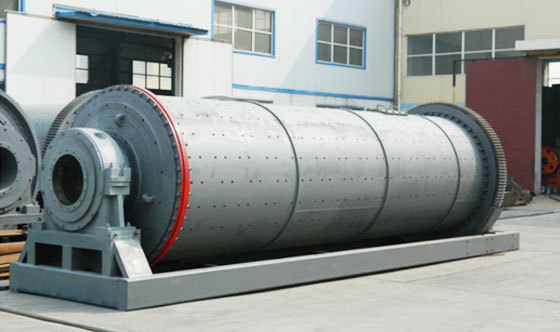
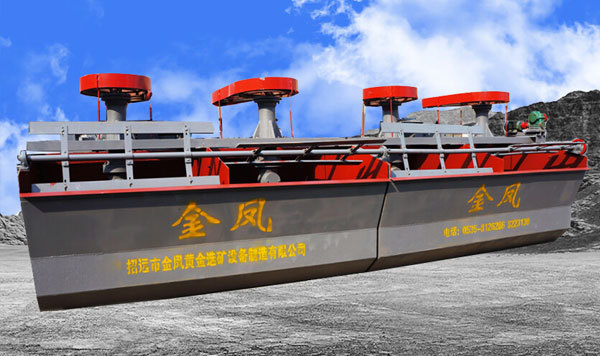
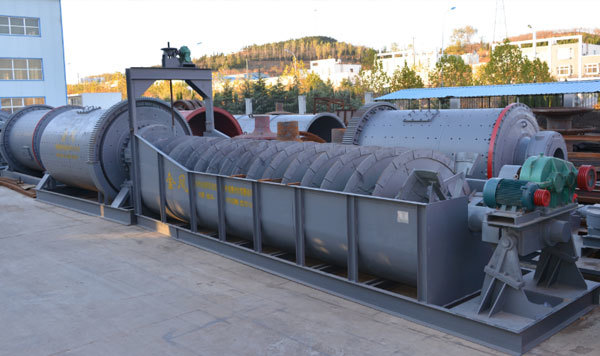
Shandong Jinfeng Gold Machinery mainly manufactures beneficiation equipment, gold ore beneficiation equipment, magnetite beneficiation equipment, various models of ball mills, and other series of beneficiation equipment.
Next:
Recommended


Contact Us
No. 599 Wenquan Road, Zhaoyuan City, Shandong Province
Official WeChat Public Account
Official Douyin Account
Online Message
Filling in your phone and email information will help us contact you promptly and resolve your issues as soon as possible.